Piano lessons in Melbourne: prices and choosing a teacher
What a half-hour piano lesson costs in Melbourne in October 2026, what a year of lessons adds on top, and the questions worth asking a teacher before you book.
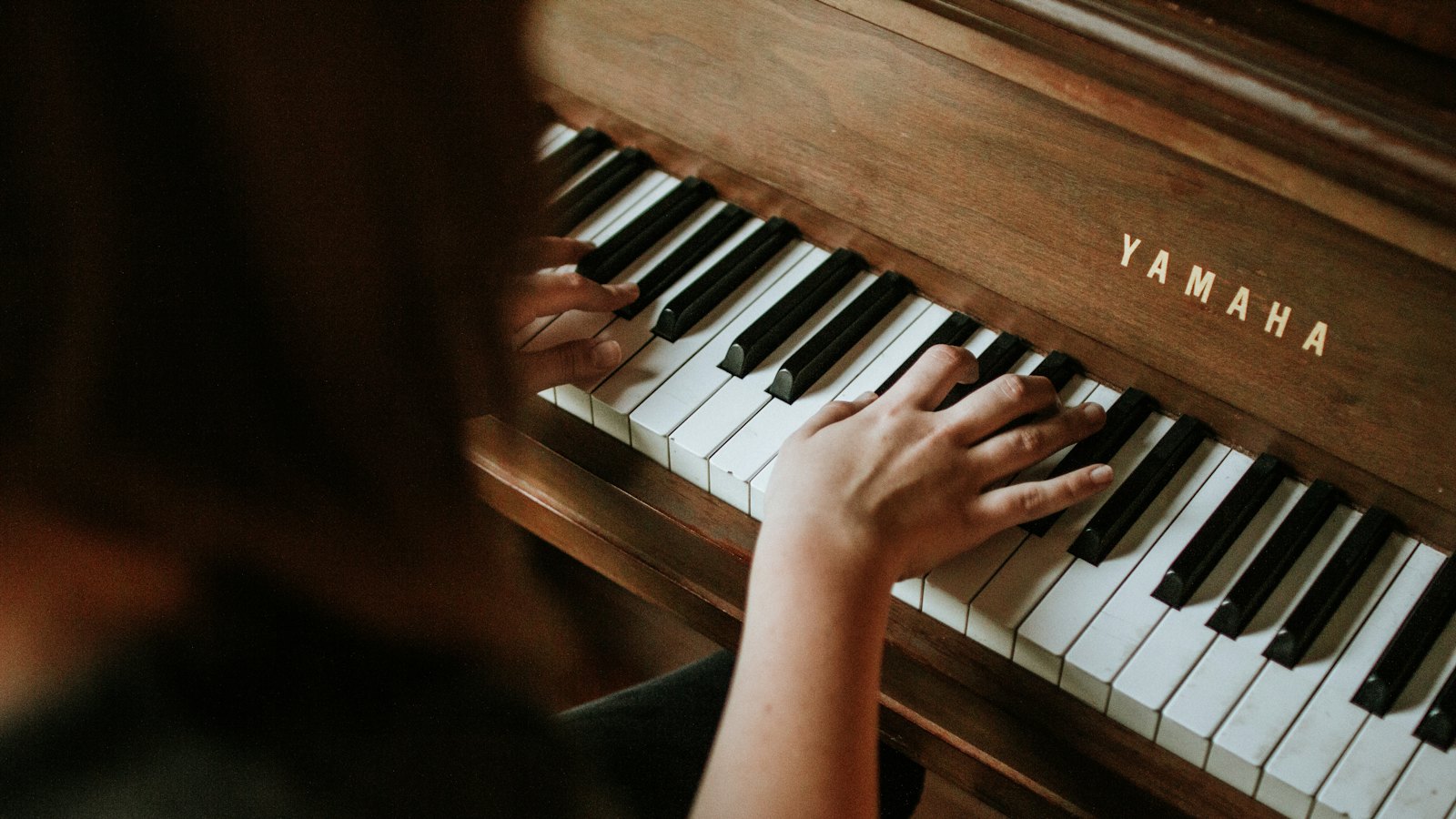
In October 2026, the usual price for piano lessons in Melbourne is $40 to $60 for a half-hour private lesson, a range the Melbourne school Manhattan Music publishes in its own 2026 fee guide. Weekly half-hour lessons come to roughly $400 to $600 across a ten-week school term.
I choose our pianos in Japan and have them checked in the Melbourne workshop before they go on the showroom floor, so I meet a lot of families at the moment lessons are about to start. The lesson fee is the part parents plan for. What tends to surprise them is the rest of the first year: the exam entry, the books, and keeping the piano in tune.
How much do piano lessons cost in Melbourne?
Melbourne Piano School publishes a fee guide that, when I read it in October 2026, listed lessons at a teacher's studio in 2025 at $50 for 30 minutes, $70 for 45 minutes and $90 for 60 minutes. The page calls these general guidelines because fees vary by teacher, and it does not say whether the figures include GST.
Manhattan Music, in the same guide, charges a flat $43 per half-hour lesson for any instrument as at October 2026, and does not state whether GST is included. Two things follow from the spread. Published rates are starting points, not the market, and the unit that matters is the half-hour lesson rather than the hourly rate most directories quote.
Rates also move by suburb and by whether you travel to the teacher or the teacher travels to you. If you are looking around Mount Waverley or Glen Waverley, our teacher directory lists Melbourne piano teachers live from TeachMusic, and you can filter by suburb, lesson type, style and price, then contact the teacher directly. Ask each one what their rate covers, whether it changes if they come to you, and whether the first lesson can be a trial.
What does a year of lessons cost beyond the fee?
Exams are the usual next cost. AMEB Victoria's 2026 fee table, which I read in October 2026, puts a practical piano grade exam at $110 for Preliminary, $119 for Grade 1, $158 for Grade 5 and $245 for Grade 8. Nobody sits an exam in their first term, so treat this as a second-year number, and only if your teacher and your child want it.
Then there is the instrument. A piano that is played every day drifts out of tune, and a tuning that is put off for years turns into a regulation job rather than a tuning. Our article on what piano tuning costs in Melbourne has current figures, and tuning and servicing explains what a visit involves. Every piano we deliver includes its first tuning, three to four weeks after delivery, once the instrument has settled into your room.
How do I choose a piano teacher?
Price is the easiest thing to compare and the least useful on its own. A teacher who suits a six-year-old beginner is not always the one who suits an adult returning after twenty years. The questions that tell you the most are plain ones.
- How many students of this age and level do you teach now?
- What lesson length do you recommend for a beginner, and when would that change?
- Do you prepare students for AMEB exams, and at what point do you suggest the first one?
- How is practice set between lessons, and how do you review it?
- Where do lessons happen, and what happens if we miss one?
- Do you hold a current Working with Children Check?
Does a private piano teacher need a Working with Children Check?
In Victoria, yes, in most cases. The state government's guide to who needs a Check, updated 7 September 2026, lists "coaching or private tuition services of any kind specifically for children" as child-related work, alongside the other criteria such as the work usually involving direct contact with children as part of the person's duties. Two exemptions matter here. A teacher registered with the Victorian Institute of Teaching is exempt from the Check, though they must notify the Working with Children Check unit when they do child-related work outside a school or early childhood service. Someone closely related to every child they teach does not need one either.
You can check a card yourself. Victoria's guidance for organisations, updated 12 October 2026, says the Service Victoria status checker needs the first eight characters of the application or card number plus the holder's surname exactly as it appears on the card, and returns the status, type and expiry date. It reveals no personal information beyond the holder's name. The page is written for organisations rather than parents, so a teacher is doing you a favour by handing the number over, not meeting an obligation to you.
How long should a child's first lessons be?
Half an hour. Manhattan Music's guide, read in October 2026, describes the half-hour lesson as the standard for beginners and children, with older and more advanced students moving to 45 or 60 minutes. That matches what I see at the piano: a young beginner's attention, not their stamina, sets the limit. Ten focused minutes at home on most days does more than an hour on Sunday.
What piano does a beginner need at home?
Something with weighted keys that holds its tune, close enough to the family's living space that practice is normal rather than a trip. If you are weighing a keyboard against an acoustic, our comparison of digital and acoustic pianos for a beginner sets out the trade-offs without pretending one answer fits every home. If you are looking at a pre-loved upright, or second-hand as most people search it, the checklist for buying a pre-loved piano in Melbourne covers what to look at before you pay, and our current instruments are all photographed in Japan before import.
The quickest way to settle it is to play a few. Bring your child, or the piece you have been working on, and spend half an hour at three or four pianos in the Mount Waverley showroom. You can book a viewing online, or call 0479 128 955 and we will find a time.
Questions people ask
How much do piano lessons cost in Melbourne?
In October 2026 the usual price is $40 to $60 for a half-hour private lesson, the range Manhattan Music publishes in its 2026 Melbourne fee guide. Melbourne Piano School's guide lists 2025 studio rates of $50 for 30 minutes, $70 for 45 and $90 for 60. Neither page says whether GST is included.
How do I choose a piano teacher?
Ask how many students of your age and level they teach now, what lesson length they recommend for a beginner, how practice is set between lessons, and whether they hold a current Working with Children Check. Price tells you the least of any of these.
How long should a child's first lessons be?
Half an hour is the standard for beginners and children, with 45 or 60 minutes coming later for older or more advanced students. A young beginner's attention sets the limit, so short daily practice at home matters more than a longer lesson.
Does a private piano teacher need a Working with Children Check?
In Victoria, usually yes: the state government lists private tuition and coaching of children as child-related work. Teachers registered with the Victorian Institute of Teaching are exempt but must notify the Check unit, and so is anyone closely related to every child they teach.
Can I check a teacher's Working with Children Check myself?
Yes. The Service Victoria status checker needs the first eight characters of the card or application number plus the holder's surname, and returns the status, type and expiry date. It shows no personal information beyond the holder's name.