What does piano tuning cost in Melbourne?
What Melbourne technicians listed for a tuning in September 2026, how often a piano actually needs one, and why a long-untuned piano costs more than the rate card suggests.
Piano tuning in Melbourne costs roughly $200 to $450 for a standard visit in September 2026, going by the rate cards technicians publish, such as Flow Piano. A piano left untuned for years usually needs a pitch raise first, charged on top. Most home pianos need tuning once or twice a year.
I choose our pianos in Japan and each one is checked in our Melbourne workshop before it is sold, so the tuning question reaches me twice: what a visit costs here, and how soon a piano needs one after it moves into a new room. The second question is the one the price pages leave out.
What do Melbourne technicians charge in 2026?
Flow Piano in Box Hill, on a page marked updated May 2026, puts a budget or student tuning at $200 to $250, an experienced technician tuning by ear at $280 to $350, and concert level or complicated work at $350 to $450 or more. Its own listed rates in September 2026 start at $300 for an upright and $350 for a grand, with regular maintenance from $500.
Theme and Variations, which covers Melbourne among other cities, listed a standard piano tune at $300 in September 2026, a piano inspection call-out at $145, and pitch raising, voicing and cleaning at $135 an hour each.
That rate card carries no date, so read it as what was listed in September 2026 rather than as a rate set this year.
Neither page says whether its prices include GST. Ask when you book whether the quote is the final amount, because a tuning is usually a one-visit job with no invoice to check it against afterwards.
What does a tuning price actually buy?
Tuning is not one fixed job, which is why the published figures spread so widely. Theme and Variations describes its standard tune as bringing the piano to within 10 cents of concert pitch, plus minor pedal adjustment, voicing and regulation of the action. A cent is a hundredth of a semitone, so ten cents is a tenth of the step between two adjacent keys. Voicing means reshaping the hammer felt to change the tone. Regulation means adjusting the moving parts of the action so the keys respond evenly.
Work beyond that standard visit is charged by the hour on both rate cards. So the honest comparison is not one price against another, but what each price assumes about the piano: a tuning on an instrument already at pitch is a different job from a tuning on one that has sat quietly for a decade.
How often should a piano be tuned?
The Australasian Piano Tuners and Technicians Association, the Australian body for the trade, gives the general rule as twice a year, because pitch follows changes in humidity through the seasons. Yamaha, writing in July 2026, puts it as every 6 to 12 months depending on use, age, condition and how stable the room is.
In practice, a piano played daily by a student working through exams needs the twice-a-year rhythm. A piano played a few evenings a week in a settled room can often hold a yearly tuning. A new piano, or one just moved, is the exception: the association notes that new pianos need more tuning at first to stabilise the pitch.
What is a pitch raise, and why is it charged on top?
Concert pitch means the A above middle C vibrating 440 times a second, written A440. Every string in the piano is tensioned in relation to it.
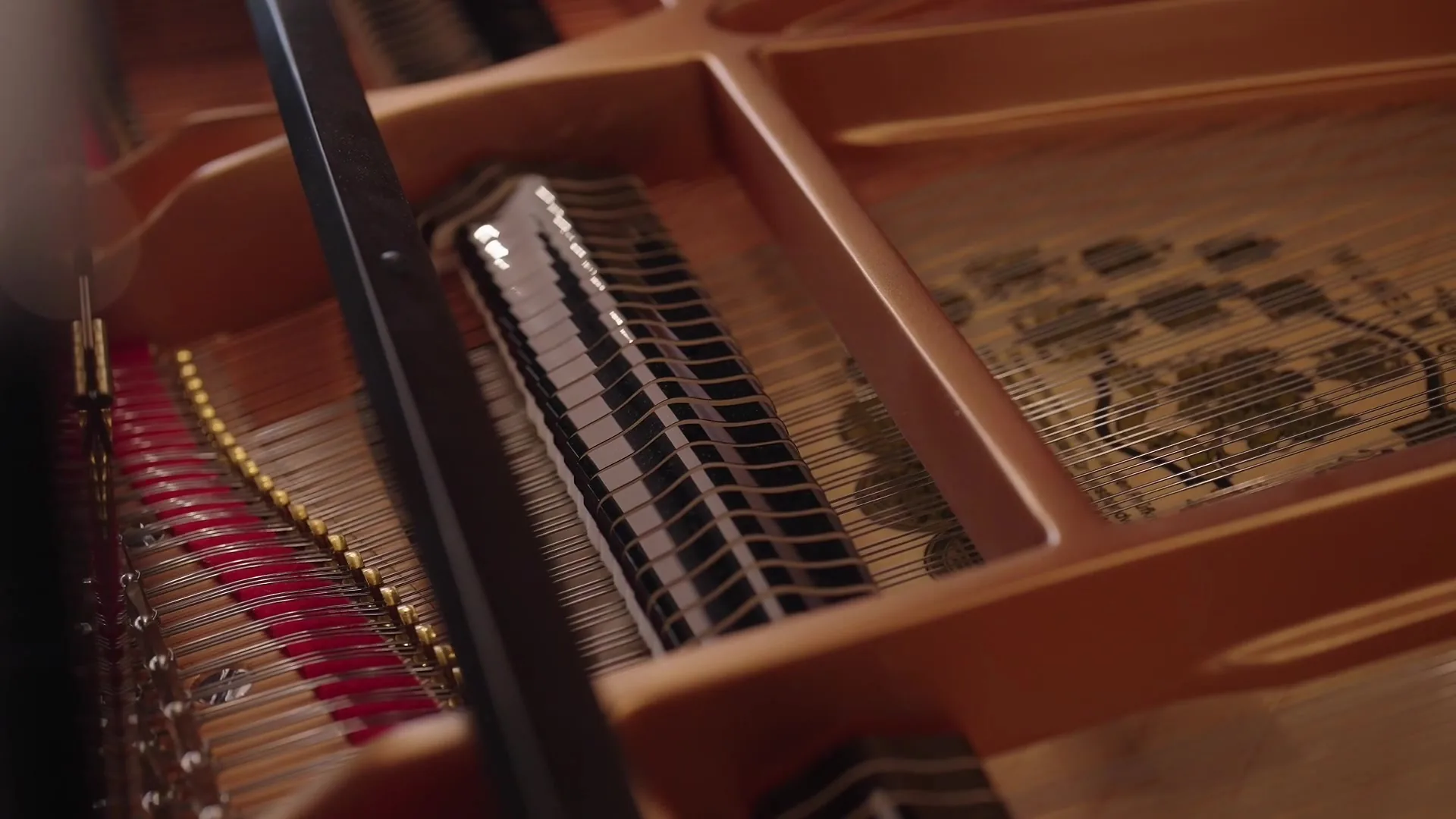
The soundboard, the large sheet of timber under the strings, takes up and gives off moisture with the air around it. The association explains that as the moisture level rises the crown of the soundboard expands, pressing the bridge harder against the strings and lifting the pitch, and that the seasonal fall exceeds the rise, so an untuned piano drifts flat year after year.
Once it has drifted far enough, a tuner cannot simply tune it. Bringing the tension back up moves the whole structure, and the association notes that a fine tuning is not achievable if the pitch has to be raised by more than about three cycles per second. The answer is a pitch raise, a rough pass that brings everything up, followed by the real tuning. Flow Piano listed it at $50 to $100 on top of the tuning in September 2026; Theme and Variations charges it at its hourly rate.
What happens if a piano is not tuned for years?
It goes flat rather than sour: the strings fall together, so the piano can sound acceptable on its own and still be a long way below pitch, which shows the moment anyone plays along with a flute, a violin or a backing track. The association's point about pitch raising is the practical consequence. A piano that has drifted needs the extra pass before it can be tuned and hold there, and it is worth expecting a follow-up tuning sooner than usual while it settles at its new tension.
None of that is damage. It is simply a bigger bill than the standard visit, and a reason to get a long-neglected piano looked at before deciding what it is worth.
Why does a piano need tuning soon after it is delivered?
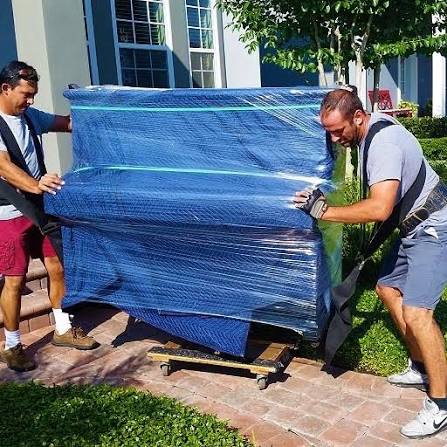
A piano holds its tuning when its timber has settled to the temperature and humidity of the room it lives in. Move it to another house and that settling starts over. Piano Moves, a piano removal company based in Dandenong South, advised in July 2025 allowing two to three weeks after a move before booking a tuning, so the instrument can adjust to its new surroundings. Tune it the same week and the tuning drifts while the timber is still moving.
That is why our first tuning is included three to four weeks after delivery rather than on the day. A pre-loved piano that has come from a Japanese home into a Melbourne one has a longer adjustment than most, and that first settled tuning is the one that tells you how the instrument really sounds in your room. Our tuning and servicing page covers what happens after that.
If you are weighing up a pre-loved Japanese upright, the fairest test is to sit at a few that have been tuned and settled properly. Book a visit to the Mount Waverley showroom and play them.
Questions people ask
How much does piano tuning cost in Melbourne?
Published Melbourne rates in September 2026 run from about $200 for a budget or student tuning to $450 or more for concert level work, with two technicians listing a standard tune at $300. Neither rate card states whether GST is included, so ask when you book.
How often should a piano be tuned?
The Australasian Piano Tuners and Technicians Association gives the general rule as twice a year, and Yamaha put it at every 6 to 12 months in July 2026. A piano played daily, newly delivered or recently moved sits at the more frequent end.
What happens if a piano is not tuned for years?
The strings fall together, so the piano drifts flat rather than sounding obviously wrong, until you play it with another instrument. It will then need a pitch raise before a tuning will hold, which costs more than a standard visit.
What is a pitch raise?
A pitch raise is a rough tuning pass that brings a piano that has drifted back up towards concert pitch, so the tuning that follows can hold. Flow Piano listed it at $50 to $100 on top of the tuning in September 2026.
Is the first tuning after delivery included?
Yes. The first tuning is included three to four weeks after delivery, once the piano has settled into the temperature and humidity of its new room.