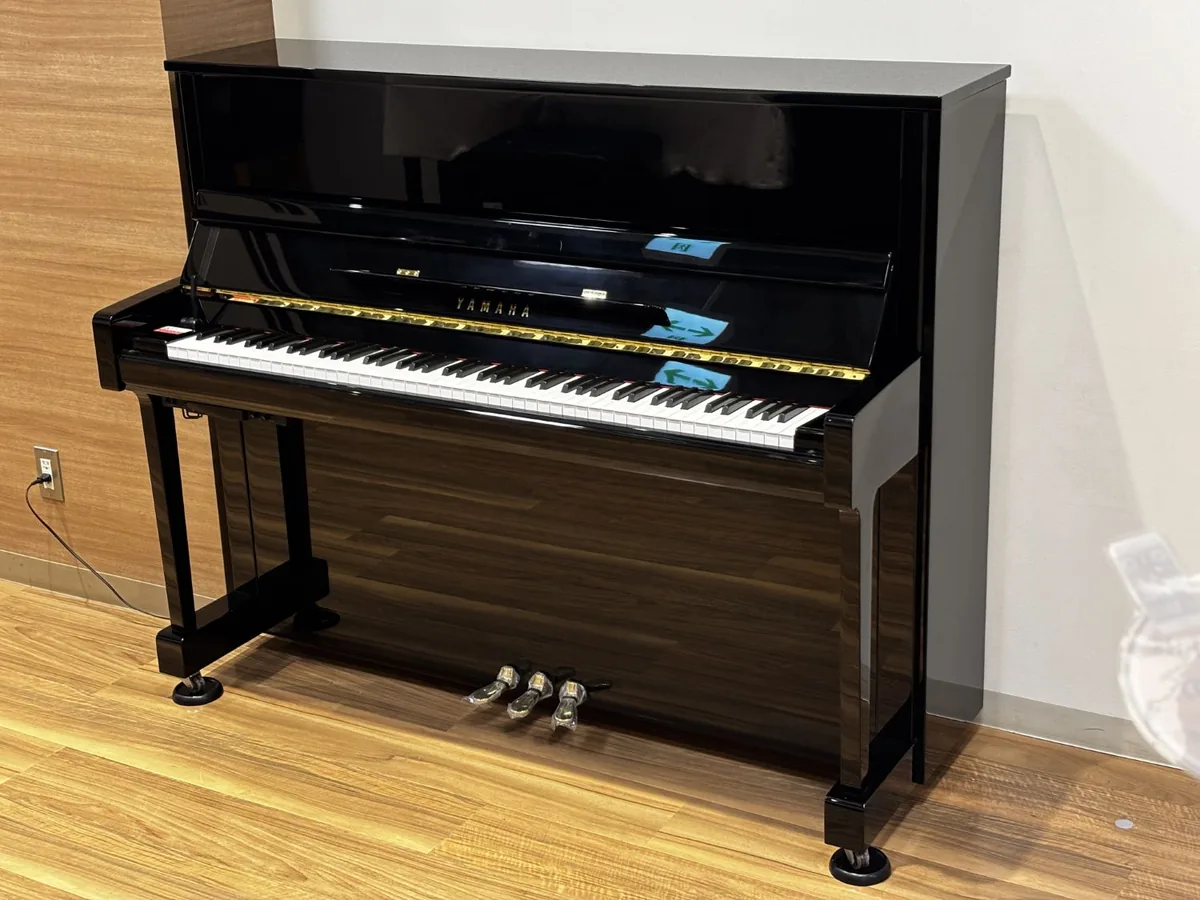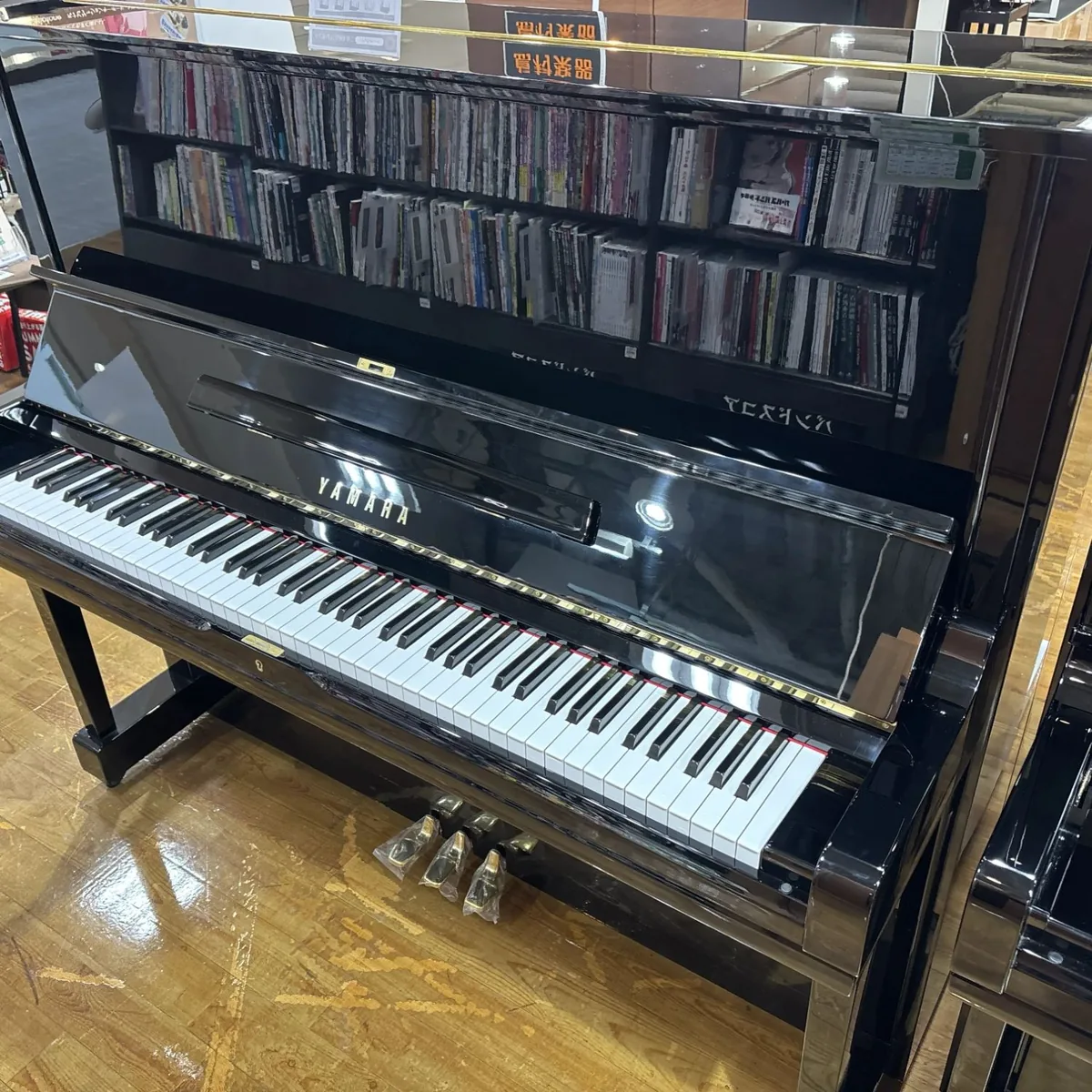
Are grey market Yamaha pianos any good? An honest guide
Most pre-loved Yamahas in Australia were built for Japan. What that means, what the local distributors warn about, and what to check before you buy.
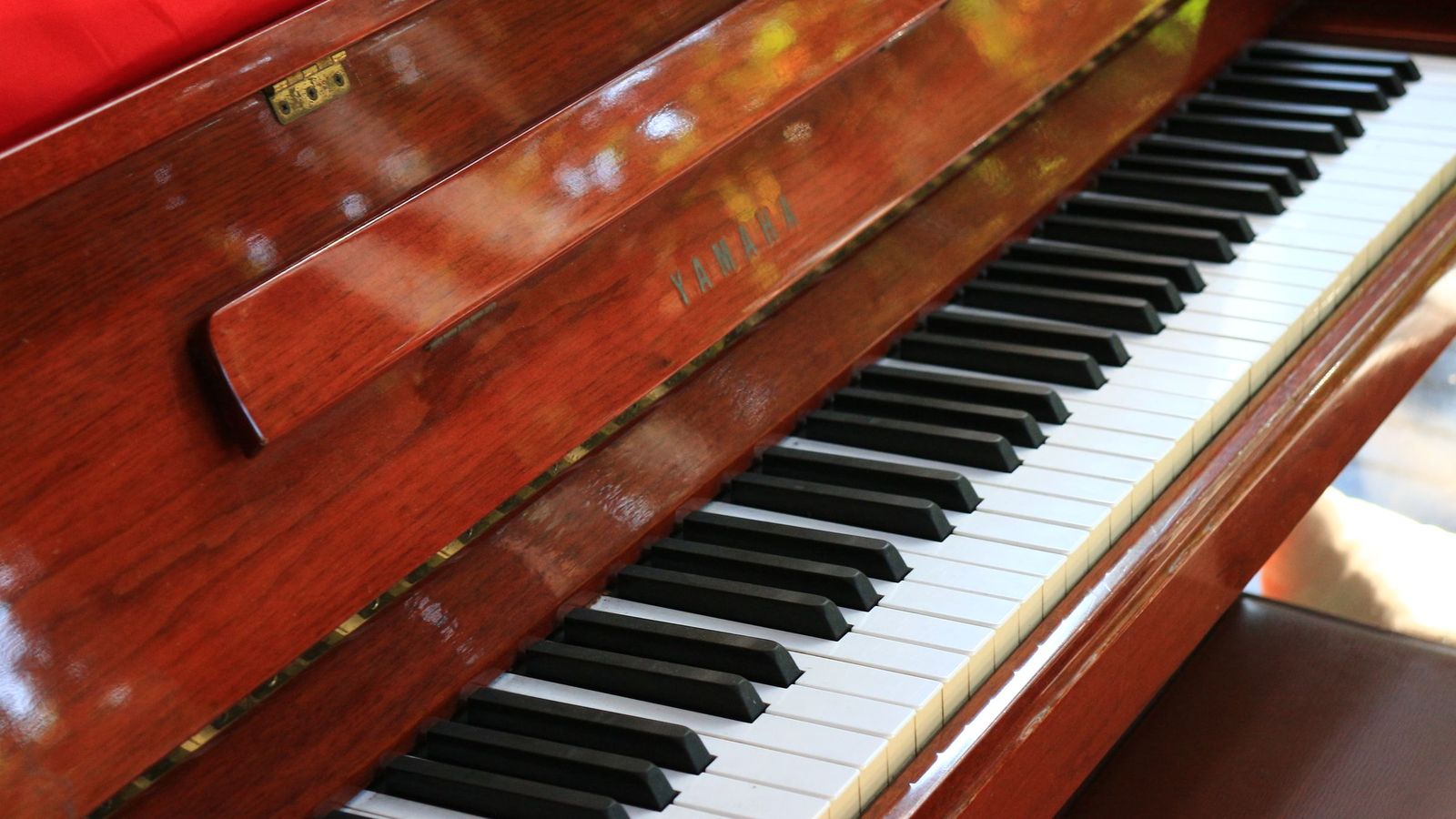
Many are very good pianos, and some are tired ones. "Grey market" describes the route a piano took to Australia, not how well it plays. Most pre-loved Yamahas for sale here were built for the Japanese market and brought in later, so the useful question isn't the label. It's the individual piano: how old it is, how it was kept, what has been done to it since, and who stands behind it once it's in your home.
Every piano we sell is chosen in Japan, inspected there by me or by partners who know exactly what I look for, and checked again in our Mount Waverley workshop. So this is a question I think about every week. Below is what the local distributors say, what the other side says, and what I'd check before buying any imported piano, from us or from anyone else.
What does grey market mean?
A grey market piano was made for, and first sold in, one country, then later brought into another by someone other than the maker's local distributor. For Yamaha and Kawai uprights in Australia, that almost always means a piano built for Japan, played there for some years, then shipped here as a pre-loved piano.
You'll also see these pianos called used Japanese Yamahas or second-hand imports, which is how most people search for them. Whatever the name, it tells you where the piano has been. It doesn't tell you whether it's any good. Two pianos with the same model code can be very different instruments depending on how they were looked after.
What Yamaha and Kawai in Australia say
Both local distributors are cautious, and they're worth reading in their own words.
- Yamaha Australia says most pre-loved Yamahas coming into the country were built for the Japanese market and may develop issues in our drier climate. It recommends having a technician inspect a pre-loved piano before you buy (Yamaha Australia, pre-owned piano FAQ). Its piano warranty also excludes instruments imported from overseas (Yamaha Australia, piano warranty).
- Kawai Australia says these pianos average 30 to 40 years old and often come from institutions (Kawai Australia, what is a grey market piano?).
These are fair points. It makes sense for a distributor to be careful about pianos it didn't supply and can't vouch for. The age point matters too. A 35-year-old piano can be lovely to play, but only if its hammers, strings and action have been looked after, and you deserve to know which kind you're looking at.
The case for Japanese imports
The other side comes from importers who have done this for a long time. One UK importer reports more than 3,800 pianos brought in from Japan since 2002, with no returns caused by humidity (Mark Goodwin Pianos). That's the importer's own record, and the UK isn't Melbourne, so treat it as one useful data point rather than proof.
Melbourne buyers have been weighing this for years. In a 2021 forum thread, a local buyer with a $6,000 budget asked almost exactly the question in this article's title. The replies described shipping containers of about 40 randomly selected pianos, grey market uprights priced from $3,500 to $7,500 at the time, and the same advice from several people: have an independent technician look before you pay (Piano World forum, 2021).
That word "randomly" is the real issue. A piano chosen on its own, by someone who has played it and looked inside it, is a different proposition from one that arrived as part of a mixed lot. That's why we don't buy in bulk from auction.
Is Melbourne too dry for a piano built for Japan?
This is the objection you'll hear most often. The numbers are worth a look, with one caution.
- Tokyo's mean relative humidity is about 65% across the year (Japan Meteorological Agency).
- At Melbourne Airport, relative humidity at 3 pm averages about 44% in January and 65% in June (Bureau of Meteorology figures, via Wikipedia).
The two figures aren't measured the same way. Tokyo's is an average across the whole day and Melbourne's is a mid-afternoon reading, so you can't subtract one from the other and call it the difference.
What matters more is the air inside your home. Ducted heating through a Melbourne winter and a run of hot northerly days in summer can both dry a room out, and that's when any piano, whether it was built for Japan or for Australia, is most likely to drift out of tune. No piano is immune to that, and I'd be wary of anyone who told you theirs was.
The practical steps are simple. Keep the piano away from heating vents, fireplaces and direct sun, and have it tuned regularly, so a technician sees it often enough to catch small changes early. If you already own a piano and would like it looked over, see tuning and servicing.
How old is it, and where has it been?
Kawai Australia's point about age is worth taking seriously. A Yamaha's serial number tells you when it was made. On an upright you'll usually find it inside the top lid, on the frame or on the plate, and Yamaha publishes a guide to dating it (Yamaha USA, finding the age of your piano).
The serial dates the piano, and that's all it does. It won't tell you which market the piano was sold in, who owned it, or how it was kept. For that you need the seller's records, and it's fair to ask for them. Be careful with claims like "one owner" or "never a school piano" unless the seller can show you how they know. Containers often carry mixed lots, and a piano's history is hard to trace once it has changed hands a few times.
What we do about each risk
Here's how we handle each of the points above at Signature Pianos.
- Chosen one at a time, in Japan. Every piano is inspected in Japan, by me or by partners who know what I look for, and photographed there before it's imported.
- Checked again in Melbourne. When a piano arrives it goes through our Mount Waverley workshop before it goes on the showroom floor. That's why some pianos show "price on request" while their workshop check is under way.
- A warranty from us, not from Yamaha. Yamaha Australia's warranty doesn't cover imported pianos, so we never suggest it does. Every piano we sell comes with a 10-year Signature Pianos warranty instead. It sits alongside your rights under the Australian Consumer Law and doesn't replace them (ACCC, warranties). The details are on our delivery and warranty page.
- A tuning once it has settled. A piano needs a few weeks to settle into a new room after a move, so your first tuning is included, three to four weeks after delivery.
- White-glove delivery you can follow. Delivery is booked and tracked in the customer portal, so you know when your piano is on its way.
Questions to ask before you buy any imported piano
Whoever you buy from, these six questions will tell you a lot.
- What's the serial number, and what year does it give?
- Where did the piano come from, and is that written down anywhere?
- What work has been done since it arrived, and by whom?
- Who backs the warranty: the dealer, the maker, or no one? For how long?
- When is the first tuning after delivery, and is it included?
- Can I take my time playing it, and bring a technician or my teacher along?
If you're buying from a business, the consumer guarantees apply to pre-loved goods too. They don't apply to private sales (ACCC, consumer rights and guarantees), which is worth weighing when a private listing costs less. Our Melbourne buying checklist goes through what to look and listen for once you're sitting at the piano.
So, are they any good?
A pre-loved Japanese Yamaha can be an excellent piano for a family, a student or an adult coming back to playing. It can also be a tired instrument with a well-known name on the fallboard. The label doesn't decide which. The piano does, along with the person who chose it and the work done before it reached you.
The simplest way to find out is to sit down and play. Book a visit to our showroom at 63 Blackburn Road, Mount Waverley, play as many pianos as you like, and bring every question on this page. You can see what's in stock now on our pianos page.
Questions people ask
What does grey market mean for a piano?
It means the piano was made for and first sold in one country, then later imported into another by someone other than the maker's local distributor. For Yamaha and Kawai uprights in Australia, it usually means a piano built for Japan and brought here pre-loved. It describes the route the piano took, not its quality.
Does a grey market Yamaha come with a Yamaha warranty?
No. Yamaha Australia's piano warranty excludes instruments imported from overseas, so any warranty comes from the business that sells it to you. Every piano from Signature Pianos comes with a 10-year Signature Pianos warranty, which sits alongside your rights under the Australian Consumer Law.
Will a piano from Japan cope with ducted heating?
Any piano, wherever it was built, is affected by very dry air, and no one can honestly promise otherwise. Keep it away from heating vents, fireplaces and direct sun, and have it tuned regularly so small changes are caught early.
How old are imported Japanese pianos?
Kawai Australia says they average 30 to 40 years old. The serial number, usually inside the top lid or on the frame, gives the year the piano was made. Ask for it, and ask what work has been done since.
Was it a school piano?
Sometimes. Kawai Australia says many come from institutions, and shipping containers often carry mixed lots. Unless the seller has records, treat claims like "one owner" or "never a school piano" as unknown.
Can I bring my own technician to look at a piano?
Yes. Yamaha Australia recommends a technician's inspection before buying a pre-loved piano, and it's good advice wherever you buy. You're welcome to bring a technician or your teacher to a viewing at our Mount Waverley showroom.